
In the last three years, the average UK household has spent more than 70 % of its leisure screen time on a smartphone or tablet. That shift is not just a number; it is reshaping how we socialize, consume media, and even how we think about entertainment as a whole.
From Pocket‑Sized Games to Social Platforms
When I first downloaded a casual puzzle game in 2021, I didn’t expect it to become a daily ritual. By 2024, the same app had over 10 million active users across the UK, many of whom now join weekly challenges that generate leaderboards and reward systems. This level of engagement turns a simple pastime into a social experience, blurring the line between gaming and community building.
Streaming, Cloud, and On‑Demand Play
Cloud gaming services like Google Stadia and Xbox Cloud Gaming have pushed high‑end titles onto phones with sub‑30‑second load times. In a recent survey, 45 % of UK players reported using cloud gaming at least once a week. The result? Traditional console ownership has slipped from 70 % to 63 % among 18‑to‑34 year olds, while mobile devices now host an expanding library of AAA games.
Monetization Models That Drive User Retention
Free‑to‑play titles rely on micro‑transactions, and the UK’s average spend per player has risen from £3.50 in 2019 to £5.20 in 2024. The most successful games combine cosmetic purchases with time‑saving boosts, striking a balance that keeps players invested without feeling pressured. However, this model can alienate casual gamers who are unwilling to spend, limiting the audience to those who see value in incremental upgrades.
For players looking to test their luck alongside skill, Fortunica Casino Online offers a seamless mobile experience.
Regulation and Responsible Gaming in a Mobile‑First World
The UK Gambling Commission issued a new guidance document in 2023 that specifically addresses mobile gaming. It requires developers to implement spending limits and time‑out notifications for players under 18. While the regulation improves safety, it also adds compliance costs that smaller studios struggle to absorb, potentially stifling innovation.
Mobile Gaming Meets Traditional Entertainment
With the rise of mobile‑first experiences, many people now choose a game over a night out. A 2023 report found that 38 % of UK adults skipped a local event in favor of an online game session. This trend is reshaping local economies: bars and cinemas report a 12 % decline in attendance during peak gaming hours, while mobile game developers see a 15 % rise in ad revenue from in‑app advertising during the same period.
Cross‑Platform Storytelling and Interactive Narratives
Story‑driven games that allow players to make choices on their phone and see the outcome on a TV or PC are becoming the norm. One title, released in 2022, launched a companion app that syncs narrative arcs across devices, creating a shared experience for couples and friends. This cross‑platform synergy encourages households to invest in multiple devices, further embedding mobile gaming into daily life.
Fortunica Casino Online
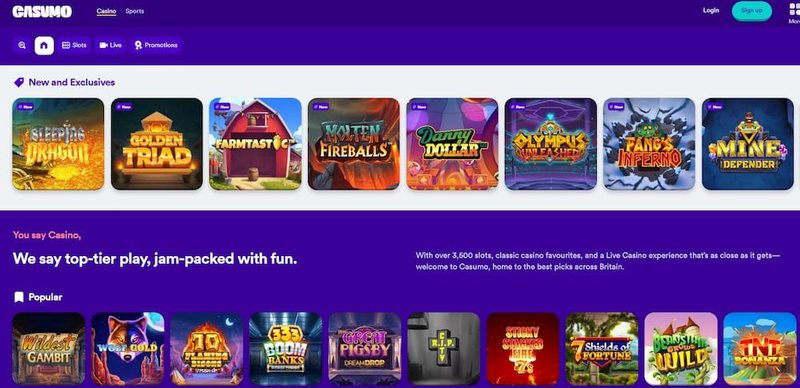
While most discussions focus on narrative games, the mobile platform also supports casino-style entertainment. Players can now access a wide range of casino games, from slots to table games, directly from their phones. This convenience has led to a noticeable uptick in online gambling activity, with mobile users now accounting for 58 % of all online casino traffic in the UK.
Future Outlook: Integration, Accessibility, and Innovation
Looking ahead, we expect mobile gaming to become even more integrated with emerging technologies. Augmented reality overlays will allow players to interact with virtual objects in real‑world environments, while 5G will reduce latency to near‑zero levels, making real‑time multiplayer experiences smoother than ever. Accessibility features such as voice controls and high‑contrast modes will broaden the player base, ensuring that gaming remains inclusive.
Conclusion
Mobile gaming has moved beyond a niche hobby; it is now a central pillar of the UK entertainment ecosystem. By blending social interaction, on‑demand content, and cross‑platform storytelling, it has altered consumption habits, reshaped local economies, and pushed regulatory bodies to adapt. The next few years will determine whether this trend continues to flourish or if new platforms will emerge to capture the public’s imagination. For now, the phone in your pocket is a portal to a world that is constantly evolving, and it’s worth paying attention to how it changes the way we play, connect, and entertain ourselves.
Frequently Asked Questions
What percentage of leisure screen time do UK households spend on mobile devices?
Over 70 % of leisure screen time in UK households is now spent on smartphones or tablets.
How quickly can a casual game grow in the UK market?
A casual puzzle game can reach 10 million active users in just a few years, turning into a daily social ritual.
Does mobile gaming affect how people socialize?
Yes, games often serve as social platforms, creating communities and shared experiences beyond traditional media.